ChatGPT
 Perplexity
 Claude
 Google AI
 Grok
Grok
Summarize this article with an AI assistant.
Apparel Industry in India 2026: Key Trends and Business Opportunities
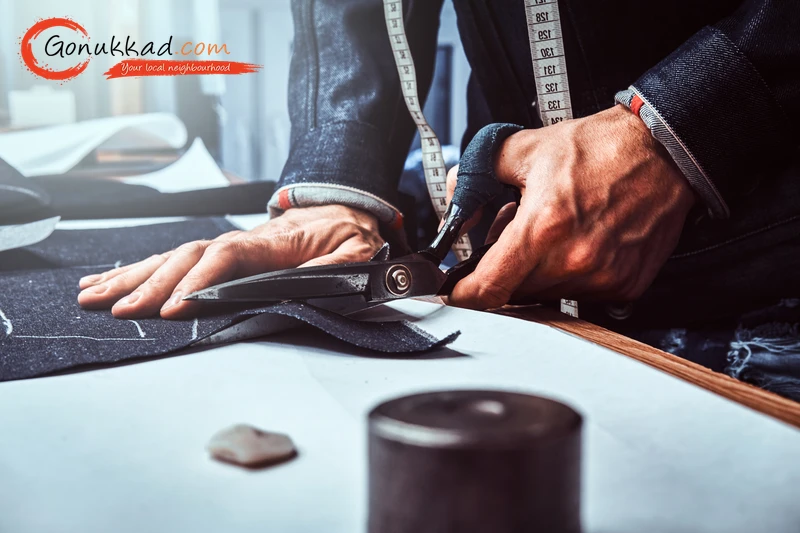
The Apparel Industry in India is undergoing a massive transformation in 2026. It is about how fast a brand can reach a customer’s doorstep through a smartphone. Today, India is a global leader in garment manufacturing, and the domestic market is expected to reach $115 billion by the end of 2026. The growth is driven by a mix of affordable fast fashion and a new love for high-quality sustainable clothes. If you are a seller or small business owner, the opportunity to scale is huge, as more people than ever are shopping online.
- What is the Current State of the Indian Apparel Industry
- What Factors Are Contributing to the Growth of the Apparel Industry in India
- Key Trends Shaping the Indian Apparel Industry in 2026
- Top 10 Leading Apparel Brands in India
- How to Start an Ecommerce Business In the Apparel Industry In India
- 1. Open Volume Ecosystems (Amazon & Flipkart)
- Conclusion
- FAQs
In this blog, we'll discuss the current state of the Indian Apparel Industry, key trends shaping the Indian Apparel Industry in 2026, and how to start an ecommerce business in the Apparel Industry in India.
Key Takeaways
- The Indian apparel industry is hitting $115 billion, making it one of the safest bets for new entrepreneurs.
- Quick commerce (10-minute delivery) is now being used for basic apparel items like socks and innerwear.
- Gen Z shoppers want Instagrammable clothes that are affordable yet trendy.
- Using inventory software can help you avoid big losses and dead stock.
- Selling on multiple ecommerce platforms is simple when you have the right partner, like Gonukkad, to manage your seller accounts and ads.
What is the Current State of the Indian Apparel Industry
The Apparel Industry in India is growing rapidly in 2026. India Apparel Market Insights reveal that while offline stores remain popular, online sales now account for 28% of total revenue.
The focus has shifted from bulk buying to value buying, where customers want better fabrics even at lower prices. Women’s wear is the biggest category, but the Kids & Toddlers segment is seeing the fastest growth as parents spend more on branded children's clothing.
What Factors Are Contributing to the Growth of the Apparel Industry in India
There are plenty of factors coming together to push the growth of the apparel industry in India. It is a mix of better technology and more spending power.
More Money in Small Towns: People in Tier-II and Tier-III cities now have higher disposable incomes and want the same brands that people in Mumbai or Delhi wear.
Smartphones & Cheap Data: With almost everyone having a 5G connection, shopping apps are just a click away, making it easy for even village residents to buy branded clothes.
Government Support: New policies and textile parks have made it cheaper for local manufacturers to produce high-quality garments within India.
Influencer Marketing: Local influencers on Instagram and YouTube have replaced traditional TV ads, making it easier for small brands to get noticed quickly.
Flexible Payments: Options like "Buy Now, Pay Later" (BNPL) and easy EMIs on clothing have encouraged people to shop more frequently without feeling the pinch.
Key Trends Shaping the Indian Apparel Industry in 2026
1) Fast Fashion & Gen Z Influence
Brands are launching new collections every 10 days to keep up with viral social media trends and Gen Z demands.
2) Sustainability and Ethical Fashion
Using organic cotton and recycled materials is no longer a choice as it’s what customers actively look for on the label.
3) Rise of E-commerce and Quick Commerce
Speed is everything, and if you can deliver a t-shirt in under 30 minutes, you have a huge advantage in 2026.
4) D2C and Personalization
Small brands are selling directly to customers through their own websites, offering custom sizes and personalized embroidery to build loyalty.
5) Athleisure and Casual Wear
The line between gym wear and office wear has blurred, with polo tees and stretchable trousers becoming the new corporate uniform.
6) Expansion in Tier-II & III Cities
Most new mall openings and warehouse setups are happening in smaller cities where the demand is currently exploding.
7) Revival of Ethnic Wear
Traditional wear is being redesigned for daily use. Think of office-wear kurtis with pockets or sarees made of breathable, easy-to-wash fabric.
8) Digitalization and Tech Integration
AI tools are now helping sellers predict which color will sell best in summer so that they can stock up the right way.
Top 10 Leading Apparel Brands in India
| Brand Name | Primary Specialization | Key Success Factor | Rating |
|---|---|---|---|
| Zudio | Budget Fast Fashion | Extremely low prices for trendy items | 4.9 |
| Biba | Modern Ethnic | High-quality traditional wear for women | 4.8 |
| Allen Solly | Casual Workwear | Vibrant colors in a boring office market | 4.7 |
| Fabindia | Heritage & Craft | Focus on Indian roots and handloom | 4.6 |
| Max Fashion | Family Value | Affordable fashion for the entire family | 4.5 |
| H&M | Western Trends | Global styles that appeal to the youth | 4.4 |
| Manyavar | Festive Wear | Dominating the Indian wedding market | 4.8 |
| Levi’s | Premium Denim | Unmatched fit and long-lasting quality | 4.6 |
| Westside | Lifestyle Fashion | Unique in-house brands and store vibe | 4.7 |
| Nykaa Fashion | Multi-brand Curation | Bringing designer labels to the masses | 4.5 |
How to Start an Ecommerce Business In the Apparel Industry In India
Starting an online clothing business in the India apparel industry is a great way to earn, but you must follow a clear plan to avoid losses.
Step 1: Legal Registration and Compliance
You cannot sell professionally without being a legal entity. These documents help open bank accounts and get listed on major ecommerce marketplaces.
- Choose an Entity: Register as a sole proprietor if you are alone or an LLP if you have partners.
- Obtain a GSTIN: You must have a GST number to sell clothes online in India.
- Open a Current Account: Use it only for business transactions to keep your taxes clean.
- Trademark Your Brand: Protect your brand name so others cannot copy your logo or designs.
Step 2: Choose Your Sourcing Strategy
Decide whether you will hold physical inventory or run a zero-stock operation.
- Private Label: Find a manufacturer, give them your designs, and put your brand name on the clothes.
- B2B Wholesale Sourcing: Visit hubs like Surat or Tirupur to buy stock in bulk at very low rates.
- Print-On-Demand (POD): Partner with a printer that only produces the product after you receive an order.
Step 3: Pick an Ecommerce Marketplace
Different marketplaces need different ways to set up sellers. There are two main types: open ecosystems and curated platforms.
Open ecosystems allow anyone to join easily, while curated platforms are more selective and focus on picking specific sellers.
1. Open Volume Ecosystems (Amazon & Flipkart)
- Portals: Use the Amazon Seller Central and Flipkart Seller Hub.
- Approval Time: Immediate, and you can start listing products within 24 to 48 hours of document verification.
- Dynamic: Driven largely by keywords, volume pricing, and consumer reviews.
2. Curated Premium Fashion Platforms (Myntra & Ajio)
- Portals: Register via the Myntra Partner Portal or the Reliance Supplier Portal (for handling Ajio and JioMart).
- Approval Time: 2 to 4 weeks as applications pass through a human category manager who reviews your brand alignment, design uniqueness, and catalog size.
- Catalog Threshold: They generally look for brands launching with a minimum pool of 30 to 100 distinct styles/SKUs.
Step 4: Fulfillment & Inventory Models
| Feature | Marketplace Fulfilled | Seller Fulfilled |
|---|---|---|
| Inventory Management | Platform stores your goods | You manage stock yourself |
| Logistics & Shipping | The marketplace picks, packs, and delivers the order. | Marketplace couriers pick up packed parcels from your doorstep. |
| Best For | Scaling fast and getting "Prime" tags | Beginners with very low budget |
Step 5: Listing Optimization & Financial Math
Marketplace success relies on visibility and tight margin control.
- Strict Photography Standards: Use high-resolution images that clearly show the fabric texture.
- Calculate Platform Deductions: Always remember that shipping and commission will take a part of your profit.
- Ad Campaigns: Use paid ads on Amazon or Myntra to get your product in front of the right buyers.
- The Return Rate Penalty: Clothes have high returns, so make sure your size chart is very accurate to reduce any confusion.
Conclusion
The Apparel Industry in India offers significant potential for anyone willing to learn the digital ropes. Whether you want to sell sarees or sneakers, the market is ready for you in 2026. To avoid getting lost in the technicalities of Seller Central or ad bidding, it is wise to seek professional help.
Gonukkad is a leading e-commerce account management company for Indian sellers. They can help you with account setup, listing, and running ads on major platforms like Myntra and Flipkart.
Q. How much investment is needed to start an apparel brand in 2026?
A. If you start small with a D2C model, you can begin with ₹50,000 to ₹1 Lakh, as it covers initial stock, GST registration, and basic marketing.
Q. What are the current trends in apparel?
A. Current trends include sustainable fashion, athleisure, and personalization, with brands like Aritzia, Nike, and Zara leading the way.
Q. Which tools or software help optimize apparel manufacturing processes from design to delivery?
A. Tools like Adobe Illustrator, CLO 3D, and Lectra help optimize apparel manufacturing processes from design to delivery.
Q. Which apparel brands dominate the Indian market, and where can I buy them online?
A. Dominant apparel brands in the Indian market include Sntich, Myntra, and H&M, available for online purchase at their respective websites or ecommerce marketplaces.
Supercharge your Business:
Go from surviving to tdriving!
Amplify sales witd our expert account management. Unleash your true potential now!
Call Us