ChatGPT
 Perplexity
 Claude
 Google AI
 Grok
Grok
Summarize this article with an AI assistant.
Grocery Store Business Plan: A Guide For Small Retailers In India
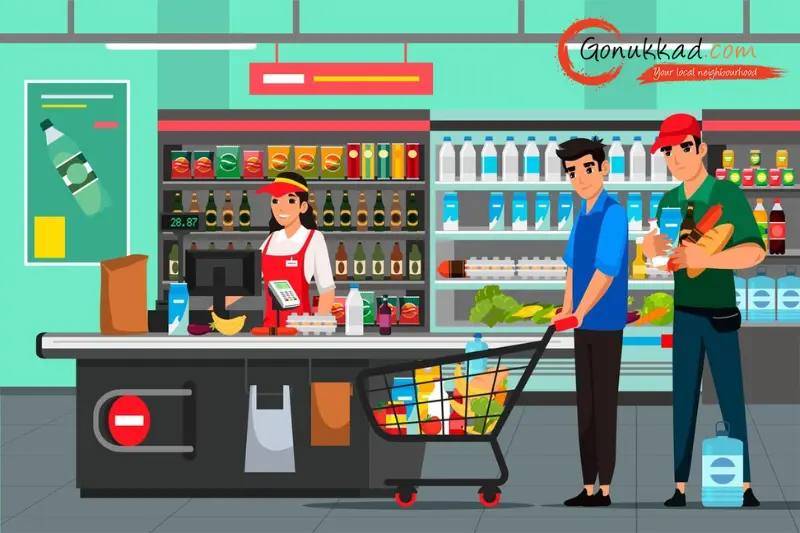
Running a grocery shop may look easy from the outside, like opening the shutter, selling items, and closing it. But real shopkeepers know it’s not that simple. Stock runs out, expired items cause losses, managing credit is difficult, 10-minute delivery services create tough competition, and rent and inflation keep increasing. That’s why a Grocery Store Business Plan is applicable even for a small kirana store.
In this blog, you’ll learn how to open a grocery store, choose the right grocery store business model, and estimate grocery store startup costs. Also, you'll see how Google Maps visibility matters and where Gonukkad’s GMB optimization services and local SEO can help.
Key Takeaways
- A Grocery Store Business Plan saves money because you decide stock, pricing, and expenses before investing.
- Pick the right grocery store business model based on your area and budget.
- Grocery store startup costs are not just rent and stock; they also include shelves, a fridge, POS for billing, and marketing.
- Small grocery stores usually earn low profit on each item but make money by selling a lot.
- Google Maps listings and reviews drive walk-ins and calls, and Gonukkad can help you set up or optimize them for better local visibility.
Grocery Store Business Plan: Step By Step
Step 1: Market Research
Grocery store structure starts with market research and location selection, because choosing a good location and understanding customer needs is “half the battle.” In simple terms, your Grocery Store Business Plan should answer who lives nearby, what they buy daily, and what your competitors are missing.
Do this small exercise before finalizing a shop:
- Visit the area in the morning and evening or check footfall near societies, schools, and bus stands.
- Note competitor pricing for the top 30 items, such as rice, oil, biscuits, dairy, and soap.
- Identify one gap you can fill, such as improved cleanliness, a wider selection of FMCG, faster home delivery, or better discounts on staples.
Step 2: Choose the Grocery Store Business Model
Your grocery store business model decides your investment and daily operations. It includes supermarkets, small grocery shops, kirana stores, and online grocery stores.
Here’s how to select in easy words:
Kirana store: A small space, family-run, strong regular customers, works well in small towns and neighbourhoods.
Small grocery shop: A slightly wider, more varied, still local-needs focused.
Supermarket: Requires a bigger investment, more staff, and better branding.
Online grocery: It needs scalability, as well as delivery, tech, and digital marketing strength.
Step 3: Grocery Store Startup Costs
When creating a grocery store business plan, it’s important to break down your startup costs into specific categories. These categories should include rent and utilities, licenses, inventory purchases, equipment setup, and marketing or branding. Instead of just putting one random number for your costs, clearly list each category.
Typical grocery store startup costs include:
- Store rent & utilities monthly.
- Licenses & permits are mostly one-time.
- Inventory purchase initial stock.
- Equipment & setup, such as shelves, a refrigerator, and a billing system.
- Marketing & branding, like signage and local promotions.
Step 4: Licenses & Legal Basics
A good Grocery Store Business Plan should focus on following the rules, as legal issues and fines can hurt the business. It should include important requirements such as registering the business and obtaining a GST number (based on sales), an FSSAI license if you sell packaged food, dairy, or processed goods, a Shop & Establishment license, a possible trade license, and a Fire NOC for larger stores.
Put this as a checklist in your plan:
- Business registration.
- GST, if applicable, based on the turnover rules mentioned.
- FSSAI license for food items and display them in-store.
- Shop & Establishment and local municipal permits.
Step 5: Suppliers & Stock Management
Inventory is really important for a grocery store, and good inventory management helps keep profits stable. When creating your Grocery Store Business Plan, you should discuss how you'll work with suppliers: choosing between wholesalers and direct manufacturers, buying in bulk for items that sell quickly, and setting a restocking schedule (daily, weekly, or monthly).
Simple rules that help small retailers:
- Don’t overstock slow items just because you got a “scheme offer.”
- Track expiry dates weekly, as expiry losses silently eat profit.
- Use basic POS or stock tools if possible to avoid understocking or overstocking.
Step 6: Pricing & Small Grocery Store Profit Margins
Grocery stores usually have low profit margins but sell a lot of products, so running the store efficiently is very important. Typically, grocery margins range from 5% to 20%, with premium or organic items sometimes bringing in more profit.
When you're writing your Grocery Store Business Plan, don’t just say “profit margin 20%.” Instead, break it down like this:
Expect different profit margins across categories: Staples will have lower margins, some fast-moving consumer goods (FMCG) will have moderate margins, and premium items will have higher margins.
List your monthly fixed costs, like rent, electricity, staff salaries, and product wastage.
Think about when you might break even: It is suggested that this could take anywhere from 6 months to 2 years, depending on where your store is located, the competition, and your pricing strategy.
Conclusion
A Grocery Store Business Plan helps you run your shop with control over stock levels, pricing, and waste, with smarter marketing. If your Grocery Store Business Plan is ready, the next step is visibility, because today, many customers search on Google Maps before walking out.
If you want your grocery shop to appear for “near me” searches and get more calls and store visits, Gonukkad can help with Google My Business optimization and local SEO, so your shop becomes easier to find.
Related Post:
1. Restaurant Business Plan: How to Start & Scale a Restaurant in India
2. How To Start a Retail Store Business
3. How to Start Ecommerce Business in India
Q. How to open a grocery store in India step-by-step?
A. Start with location research, choose your grocery store business model, plan grocery store startup costs, obtain required licenses (GST/FSSAI, etc.), and then finalize suppliers and marketing.
Q. What grocery store business model is best for small towns?
A. Kirana stores and small grocery shops are good low-cost models for local neighbourhoods and small towns.
Q. What are typical grocery store startup costs?
A. Typical grocery store startup costs range from ₹80,000 to ₹150,000+ for a small or mini store, depending on location, rent deposit, equipment, and initial inventory.
Q. What are small grocery store profit margins?
A. Typically, grocery margins range from 5% to 20%, and profitability depends heavily on efficiency and volume.
Q. What are the best grocery store marketing strategies in India?
A. A mix of flyers, local promotions, referrals, and Google My Business and local SEO helps drive walk-ins and repeat customers.
Supercharge your Business:
Go from surviving to tdriving!
Amplify sales witd our expert account management. Unleash your true potential now!
Call Us