ChatGPT
 Perplexity
 Claude
 Google AI
 Grok
Grok
Summarize this article with an AI assistant.
How to Set Up Logistics for Your Business in India: A Guide for Startups
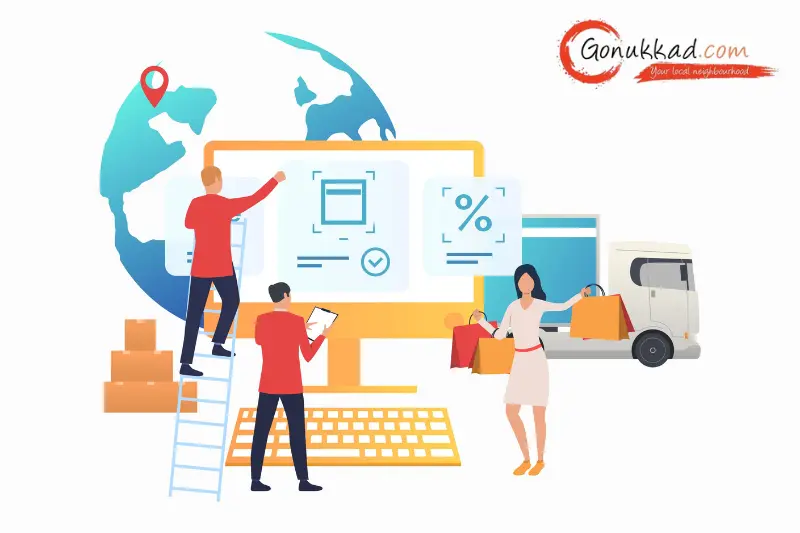
So, you've created your product, set up shop, and now comes the real challenge. Getting your orders delivered all over India smoothly, without breaking the bank or losing customers.
- What is Logistics Management for Startups
- How to Deal with Returns and Refunds
- Model 1: In-house Logistics (DIY)
- Model 2: Third Party Logistics (3PL)
- Model 3: Shipping aggregators
- APOB — Additional Place of Business
- E-way bill — Your Goods' Travel Pass
- WMS —Tracking your Stock
- TMS — Managing Couriers & Routes
- Conclusion
- FAQs
In this guide, we'll break down logistics for startups in simple terms. You'll learn how to pick the right logistics model, handle Indian logistics paperwork, set up basic tech tools, and manage returns. Plus, we'll show how a partner like Gonukkad can help you get your business on big e-commerce platforms with less stress.
Key Takeaways
- Pick a clear logistics model early, whether doing everything yourself, working with third-party logistics (3PL), or using a shipping aggregator.
- Don't ignore Indian rules like GST, APOB registration, and e-way bills, as skipping them can lead to fines and headaches later.
- Tech tools for tracking stock, shipments, and returns are often bundled with 3PLs and shipping platforms, so there's no need to buy expensive software right away.
- Gonukkad helps you manage your e-commerce accounts on major marketplaces, so you can focus on growing your brand.
What is Logistics Management for Startups
Think of logistics management as everything that happens between a customer clicking "buy" and their product landing in their hands (including returns, if applicable). For startups, good logistics means never running out of stock, not overstocking, and not wasting money on unnecessary trucks or warehouses.
Simply put, logistics for startups covers:
- Where you store your products, such as at home, in a rented warehouse, or at a 3PL's warehouse.
- How you pack and ship orders.
- Which couriers or delivery services do you use?
How to Deal with Returns and Refunds
If your logistics are a mess, even a great product can feel unreliable. Understanding logistics management early helps you set up a supply chain that supports growth rather than holding you back.
Step 1: Choose your Logistics Model
The biggest question for logistics in startups is: "Who does what?" There are three main ways to handle your supply chain:
Model 1: In-house Logistics (DIY)
You keep control of everything, like your warehouse or storage space, inventory, packing, and contracts with couriers.
| Pros | Cons |
|---|---|
| Complete control of packing, handling, and customer experience. | High fixed costs such as rent, staff, racks, and tech. |
| Good if you sell fragile, cold storage, or premium items. | Harder to scale during busy or slow periods. |
This model fits better for bigger startups with more resources.
Model 2: Third Party Logistics (3PL)
Store your stock at a 3PL's warehouse, and they handle packing and shipping for you.
| Pros | Cons |
|---|---|
| No big upfront costs, and you mostly pay per order or storage space. | Less control over packing unless you agree with 3PL standards. |
| Easier to scale as your sales grow. | Need to register 3PL locations as Additional Place of Business (APOB) with GST. |
Most startups find 3PL the sweet spot between control and cost.
Model 3: Shipping aggregators
These platforms connect your store to multiple courier companies through a single dashboard.
| Pros | Cons |
|---|---|
| Easy rate comparison and unified tracking. | Less control over delivery. |
| Great for very small startups that pack orders themselves. | You still manage your own inventory and packing. |
Suitable for early-stage startups with smaller order volumes.
Step 2: Understand Key Indian Logistics Requirements
India has specific laws that impact logistics, and ignoring them can result in hefty fines or the loss of tax benefits.
APOB — Additional Place of Business
If your stock is stored at a location outside your registered GST address (e.g., a 3PL warehouse), that location must be added as an APOB on your GST certificate.
Without APOB registration, you can't issue invoices from that warehouse or claim related tax credits. Always check that with your 3PL to ensure they provide the required documents, such as lease agreements and no-objection certificates, for APOB registration.
E-way bill — Your Goods' Travel Pass
Whenever goods worth over ₹50,000 are moved in a single vehicle (for sale or just stock shifting), you or your transporter must generate an e-way bill on the GST portal.
You'll need these documents handy:
- Invoice & delivery challan
- HSN codes
- Transporter details
- Vehicle details
A clear checklist for e-way bill generation keeps your shipments legally compliant and speedy.
Step 3: Build a Simple Tech Stack for Logistics
Terms like WMS (Warehouse Management System) and TMS (Transport Management System) can sound intimidating, but you don't need complex software when you're starting out.
WMS —Tracking your Stock
A WMS helps track where stock is, how much is left, and what to pick and pack.
- 3PLs usually provide their own WMS dashboards.
- If in-house, start with simple cloud inventory software before investing big.
TMS — Managing Couriers & Routes
TMS organizes shipping by selecting couriers, planning routes, and tracking deliveries.
- Shipping aggregators often act as your TMS with rates, labels, and tracking all in one place.
- If you use a few couriers directly, Excel plus their portals might be enough at first.
Smart startups use tools bundled with 3PLs or aggregators rather than buying expensive separate systems.
Step 4: Don't Forget Reverse Logistics & Returns
Returns and failed deliveries (RTO — Return to Origin) can quietly destroy profits, especially with Cash on Delivery (COD) orders common in India.
- Reverse logistics refers to managing goods returned by customers.
- Returns cost shipping both ways, plus inspection and restocking.
- Having a clear return policy and process saves confusion and money.
Most 3PLs and shipping aggregators offer reverse pickup services, making returns management easier.
Step 5: Tie Logistics with Payments to Cut Risks
Shipments and payments are closely linked. Integrating these can reduce Return to Origin (RTO) risks that hurt cash flow.
- RTO happens if COD orders have fake addresses, refusals, or buyer regrets.
- Integrated systems can flag risky COD orders and prevent them from being shipped.
- Automating COD refunds after returns keeps customers happy and accounts clean.
- Now, linking payment and logistics systems is a must-have for successful startups.
Conclusion
Setting up logistics for startups in India isn't rocket science, but it does require clear choices. From your logistics model to handling GST and e-way bills, and the smart use of tech tools bundled with 3PLs or aggregators.
Planning reverse logistics and linking payments to logistics can turn your delivery system into a growth engine rather than a money drain.
Working with experts like Gonukkad to manage marketplaces and logistics means fewer worries and more focus on your products and customers.
Helpful Post:
1. List of Top 10 Logistics Companies in Delhi
2. Top 10 Logistics Companies in India: Updated List
3. Top 10 Best Logistic Companies in Mumbai 2025: Know the Trends
4. Mastering Inbound and Outbound Logistics: Strategies for Success
FAQs
Q. What's logistics management for a new startup?
A. It's all about storing, packing, shipping, and handling returns so customers get their orders on time without overspending.
Q. Is APOB registration mandatory with 3PLs?
A. Yes, any warehouse beyond your GST-registered place must be registered as an Additional Place of Business (APOB).
Q. Can shipping aggregators handle my startup logistics?
A. For very small operations, packing at home or in small offices, they offer easy shipping and tracking.
Q. How do I control losses from RTO and returns?
A. Define clear return policies, use 3PL or aggregator reverse logistics, and integrate payment checks to reduce the risk of COD orders.
Q. How does Gonukkad help startups?
A. They manage your seller accounts on major marketplaces and connect your store with trusted logistics partners, simplifying end-to-end logistics.
Supercharge your Business:
Go from surviving to tdriving!
Amplify sales witd our expert account management. Unleash your true potential now!
Call Us