ChatGPT
 Perplexity
 Claude
 Google AI
 Grok
Grok
Summarize this article with an AI assistant.
From Local Shop to Online Brand: Step-by-Step Journey
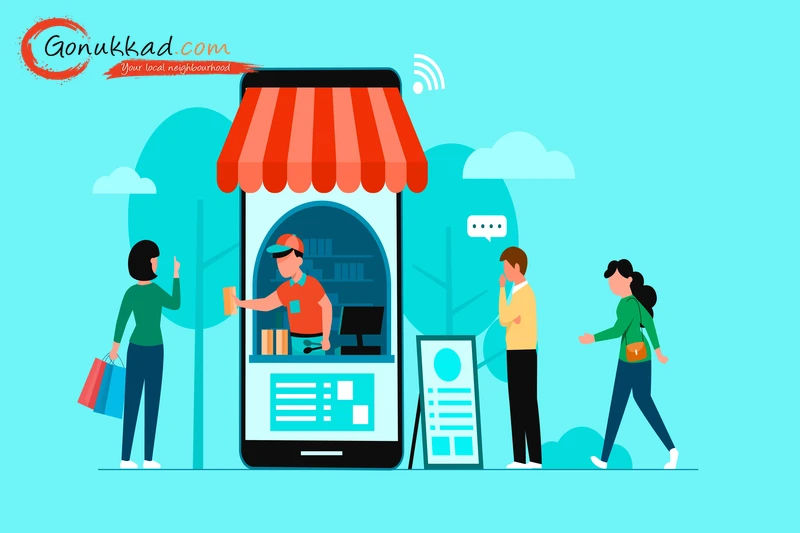
In 2026, learning how to take a local business online in India is the most practical way to reach customers who are too busy to visit the market. You are basically taking the products already sitting on your shelves and showing them to millions of people on their mobile screens.
In this blog, we'll break down the exact steps to handle digital transformation for small businesses in India. We'll talk about everything from picking the right platform to getting your first few orders.
Key Takeaways
- Your existing shop stock is perfect for getting started with your online business today.
- Pick a website like Myntra for clothes or Amazon for general items based on your niche.
- Since customers can't touch the product, high-quality photos are your best selling point.
- Calculate all costs like shipping and commissions before setting your online price.
- Services like Gonukkad can handle the product listings and ads to ensure you don't lose money.
Steps to Take Your Offline Store to an Online Platform
The process of taking businesses online in India should be done step by step to avoid overwhelm. Here is a detailed plan for 2026:
Step 1: Set Clear Online Goals for Your Store
- Define Your Target: Figure out where you want to sell your stuff, whether you want to sell it in your city, so you do not have to spend a lot on shipping, or if you want to sell it all over India.
- Set Sales Targets: Start with a goal you think you can really achieve, like getting 5 orders a day, and then try to do more.
- Budgeting: You have to decide how much you can spend on packaging and ads when you first start.
- Timeline: Give yourself thirty days to start selling your stuff for the first time, so you go from only selling offline to making your first online sale.
Step 2: Choose the Right Online Sales Platform
- Analyze Your Niche: If it's fashion, Myntra or Ajio are options, or if it's electronics or home goods, Amazon and Flipkart are better.
- Check Commissions: Every platform charges commissions and fees; compare them to see where you keep more profit.
- Ease of Use: Some platforms are easier for beginners to navigate than others.
- Market Reach: Pick a platform with millions of users who are looking for your specific product type.
Step 3: Digitize Inventory with SKUs and Product Photos
It is the most important part of converting an offline business to an online one.
- Create SKUs: Assign each item a short code (e.g., KRT-RED-LRG for a Red Large Kurti) to prevent sending the wrong item to a customer.
- Take Photos: Use a phone with a good camera to take photos in natural light against a white wall.
- Simple Descriptions: Write about the material, the size, and why it's good. Use words your local customers use so that the search engine can find your products easily.
Step 4: Set up Payment Gateways & Pricing
When you sell products online in India, the price displayed on the screen isn't what you get in your bank account. You must subtract the platform's referral fee, the fixed closing fee, shipping costs, and 18% GST on those fees.
If you sell an item for ₹1,000, you might get ₹750 in your bank. Link your business's current account to the portal so your payments are deposited every week without any delay.
Step 5: Create a Logistics & Delivery Plan
In 2026, you do not need to hire a delivery boy. Most platforms offer Easy Ship or Fulfillment by marketplace options.
- Easy Ship is a service where you pack the order in your shop, and a courier from the platform comes to pick it up.
- When it comes to warehousing, you send your selling items to the platform's warehouse, and the platform handles everything for you.
When packing, make sure you buy high-quality plastic bags and bubble wrap. If a product breaks during shipping, it is a loss for you, so it is very important to use high-quality plastic bags and bubble wrap for your products.
Step 6: Market Your Store Digitally
When people are shopping online, they cannot see your shop's sign. To get their attention, make sure your shop shows up when they search for something. You can use Sponsored Products ads to make your item show up at the top when someone searches for it online.
Step 7: Track KPIs & Improve
Check your Seller Dashboard daily and note how many people clicked your product vs. how many bought it. If 100 people visited your listing but no one bought, your price might be too high, or your photos might be poor.
Read every customer review, and if people complain about the size, update your description. Continuous improvement is the secret to a successful local shop to ecommerce business transition.
6 Tips to Boost Your Sales
Master the First Image: In 2026, shoppers decide to click in under a second, and a clear image can boost your clicks significantly compared to a blurry one.
Create Value Combos: When you create special product bundles, it makes shopping easier and more satisfying for customers. It helps you keep your prices steady, because there’s less competition on individual items.
Use Localized Keywords: Type in words Indian buyers use, such as "Latest Wedding Design". These words help buyers find your product during shopping seasons like Diwali.
Keep an Eye on the "Buy Box": If there are other sellers for the same item, the one with the best price and fastest delivery will win. You need to keep an eye on your competitors to stay ahead.
Add Video Demonstrations: A short 15-second video showing the product's size and color helps build trust. It proves the product is real and reduces returns.
Fill Your Backend Keywords: There is a hidden section in seller accounts for "Search Terms." Fill this with every possible way a customer might spell your product, including common typos, to ensure you always show up.
Conclusion
Turning your local shop into an e-commerce business is the smartest move for any Indian shopkeeper in 2026. It protects your business from local competition and gives you a wider audience. While the steps might seem long, they are very simple once you start.
If you are too busy managing your physical store, let the Gonukkad local business promotion team handle the digital side. They are experts at taking local businesses online in India, providing everything from account setup to ad management across platforms like Myntra, Amazon, and Flipkart.
Helpful Post:
1. How Does Local SEO Impact Retail Foot Traffic in 2026?
2. How to Build a Funnel That Converts Local Visibility into Real Leads
3. How To Arrange Local Delivery For Shop Orders
4. How Consistent Branding Supports Local SEO and Builds Customer Trust
5. Retargeting for Local Business: A Beginner’s Guide to More Sales
6. AI in Local Marketing: Helping Indian Businesses Go Digital
7. Effective Local Review Strategy in India: Boost Your Business Visibility
8. Local Visibility Strategy: WhatsApp Presence & Smart Mapping for 2026
9. Why Local Businesses Can’t Ignore Google in 2026 for Profitable Growth
10. How Micro-Influencer Marketing Works for Local Businesses
Q. Is a GST number necessary to sell things on Amazon or Flipkart?
A. Yes, GST registration is mandatory for selling most products on Amazon or Flipkart.
Q. How do I get paid for my online sales?
A. Marketplaces typically transfer your earnings directly to your linked bank account every 7 to 15 days.
Q. Can I start with just 5 or 10 products?
A. Yes, you can absolutely start selling on Amazon and Flipkart with as few as 5 or 10 products. Both platforms allow you to start with just one product to test the market.
Q. Who pays for the product's shipping?
A. You can either include the shipping cost in the product price or charge the customer separately.
Q. What happens if a customer wants to return an item?
A. The platform's courier will pick up the item and return it to your shop for a small fee.
Supercharge your Business:
Go from surviving to tdriving!
Amplify sales witd our expert account management. Unleash your true potential now!
Call Us