ChatGPT
 Perplexity
 Claude
 Google AI
 Grok
Grok
Summarize this article with an AI assistant.
What Is Local Ecommerce & How To Get Started?
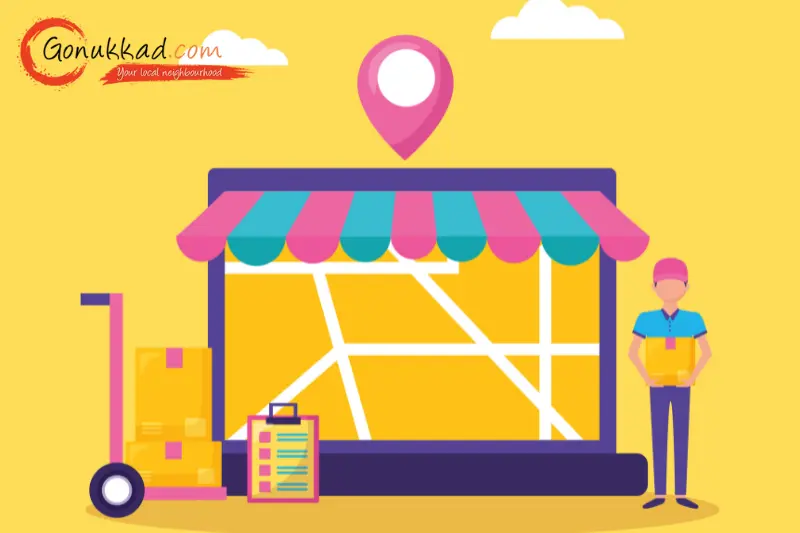
In the year 2026, the way we shop in India has changed forever. You’ve likely noticed that even the small boutique or the hardware store down the street now has a QR code or a website link. It is Local Ecommerce, and it's the new way of doing business for every local seller.
In this blog, we'll discuss how to find your customers, which local online selling platforms are actually worth your time, and how to use hyperlocal ecommerce marketing.
Key Takeaways
- In 2026, over 65% of Indian shoppers chose a seller based on how quickly they could deliver.
- Local ecommerce allows you to combine local trust with modern-day convenience.
- Hyperlocal ecommerce marketing lets you spend your budget only on people within a 5-10 km radius of your shop.
- Being on ONDC, WhatsApp, and your own website increases your chances of being found.
- Gonukkad’s ecommerce account management handles everything from GST details to professional product listings to ensure you look like a top-tier brand.
What Is Local Ecommerce?
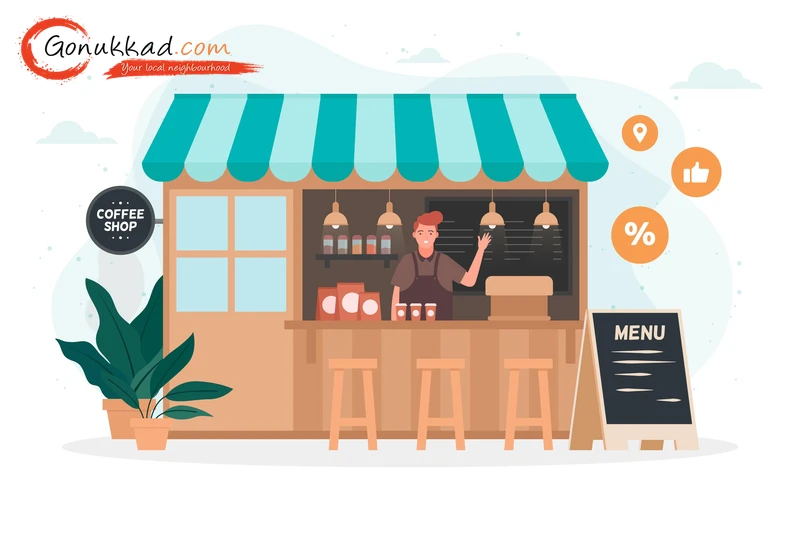
To put it simply, local ecommerce is selling your products online to people who live nearby. Unlike traditional online shopping, where a package might come from a warehouse 500 miles away, local ecommerce happens right in your city or neighborhood.
By 2026, the digital transformation for local retailers will have become much easier thanks to India’s digital infrastructure.
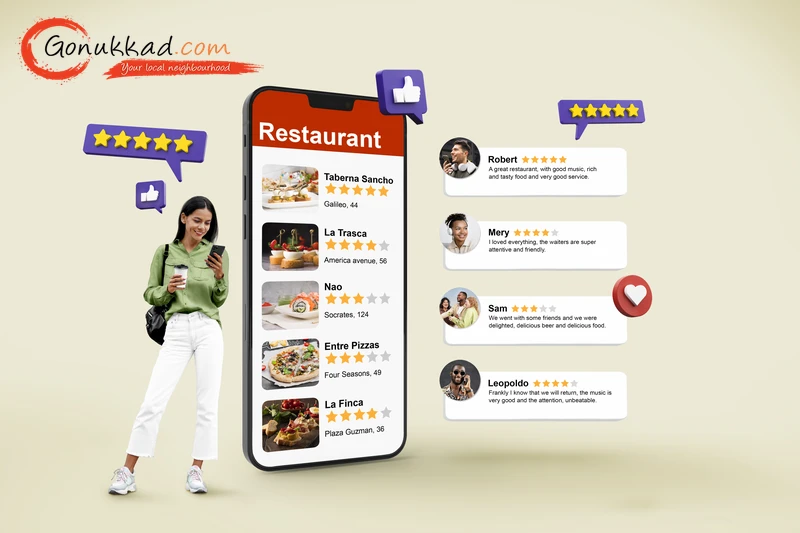
Whether you sell groceries, clothes, or electronics, local ecommerce means that when someone nearby searches for:
- What you have.
- Your shop pops up on their phone.
- They pay online.
- You deliver it to their doorstep within the hour.
How To Start A Local Ecommerce Business - Step-By-Step
Starting might seem like a huge task, but if you break it down into these six clear steps, it becomes very manageable.
1. Identify Your Market
You need to know exactly what you are going to sell and who will buy it.
For instance:
- Is there a lack of fresh organic milk?
- Are people looking for premium pet food that isn't available at the local supermarket?
Local ecommerce works best when you fill a specific gap in your immediate community.
2. Research Your Market
Before spending money, do some research and check out which local online selling platforms your competitors are using. Are they on Swiggy Minis, Amazon Local, or the ONDC network?
In 2026, data shows that local shops that offer a "Click and Collect" option see a 30% increase in total sales because customers love the flexibility.
3. Launch Your Ecommerce Store
It is the technical part. You have a few choices:
- Marketplaces: Sign up as a seller on platforms like Amazon, Flipkart, or Meesho.
- Direct Platforms: Create a simple store on Shopify or Wordpress.
- Social Commerce: Use WhatsApp Business to send catalogs to your regular customers.
If you feel confused by GST requirements, image sizes, or "keywords," Gonukkad can step in here. They provide full ecommerce account management, meaning they set up your profile, upload your products with the right descriptions, and make sure your store is "search-friendly" from day one.
4. Market to Local Customers Online
Once your store is ready, you need to tell people about it, and it's called hyperlocal ecommerce marketing. You can run "Pin-code Targeted Ads" on Instagram or Facebook.
It means only people in your specific area will see your ad, which saves you a lot of money while bringing in high-quality leads.
5. Establish a Local Order Fulfillment System
How will the product get to the customer?
- Self-Delivery: If you have a staff member with a scooter, this is the cheapest way.
- Third-Party Delivery: Use services like Dunzo, Borzo, or Shadowfax. In 2026, having a clear "Return Policy" is vital. If a customer knows they can easily return a shirt that doesn't fit because you are just 2 km away, they are much more likely to hit the "Buy" button.
6. Invest in High-Quality Customer Service for Locals
In a local business, your reputation travels fast, so always respond to WhatsApp messages quickly. If a product is out of stock, call the customer and suggest an alternative. That personal touch is why people will choose your local ecommerce store over a giant faceless app.
Tips For Marketing A Local Ecommerce Business
To truly understand how to grow local ecommerce sales, you need to be creative with your marketing.
- Optimize Your Local SEO: When someone searches for "best bakery near me" on Google, your store should be the first result. Use local keywords in your product titles.
- Cross-sell Everywhere: If someone buys something in your physical shop, put a flyer in their bag with a QR code for a discount on their first online order.
- Host Events for Local Customers: Organize a small "product launch" or a "tasting event" at your shop and promote it online. It brings digital followers into your physical space.
How to Drive Traffic to Your Local Ecommerce Website
Traffic is just another word for "visitors." To get more visitors:
- Google Maps: Ensure your "Google Business Profile" is verified and has high-quality photos.
- Local Influencers: Find a local person with 5,000 followers who lives in your city and send them a sample of your product.
- Ad Optimization: Gonukkad uses data-driven insights to identify your top-performing products, ensuring your budget is spent only on ads that actually turn into sales. It is a strategic way to cut wasted spend and the fastest path to scaling your local online presence.
Conclusion
The jump into local ecommerce is the smartest move a business owner can make in 2026. It allows you to protect your business from big competitors by using your local presence as an advantage. By combining a solid local online selling platform with smart hyperlocal ecommerce marketing, your small shop can reach thousands of new customers. If you need expert assistance, then Gonukkad’s ecommerce account management service is designed specifically to help Indian retailers.
Related Position:
1. Proven Ecommerce Growth Strategies – From Launch to 100 Orders/Day
2. 5 Common Mistakes for Managing Multiple E-Commerce Channels
3. eCommerce Impact on Business: 10 eCommerce Tips You Need
Q. Is it expensive to start a local ecommerce business?
A. No, you can start with just a WhatsApp catalog for almost nothing.
Q. Why should I use a service like Gonukkad instead of doing it myself?
A. Gonukkad handles the heavy lifting of account setup, SEO, and ad management so you can launch a perfectly optimized store without wasting money on trial-and-error.
Q. Do I need a special warehouse?
A. No, your current shop or even your home can be your warehouse.
Q. How do I handle delivery if I don't have a delivery boy?
A. You can use "on-demand" delivery apps. You only pay them when you have an order.
Q. What is the most important thing for success in local ecommerce?
A. If you deliver quickly and talk to your customers like a neighbor, they will keep coming back.
Supercharge your Business:
Go from surviving to tdriving!
Amplify sales witd our expert account management. Unleash your true potential now!
Call Us