ChatGPT
 Perplexity
 Claude
 Google AI
 Grok
Grok
Summarize this article with an AI assistant.
Step-By-Step Grocery Marketplace Seller Registration Process in India
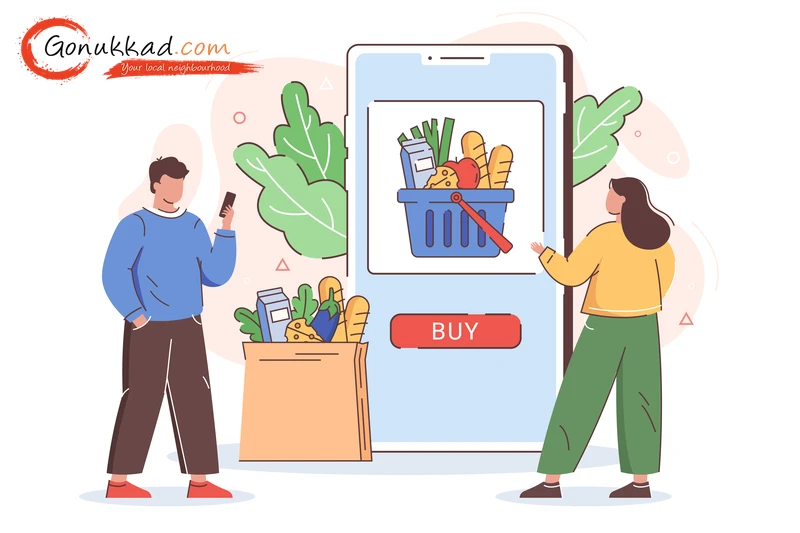
India's quick commerce boom is transforming kirana shops into online grocery sellers overnight. Platforms like Blinkit, Zepto, BB Now, JioMart, and Swiggy Instamart deliver 10-minute orders to millions daily, driving massive demand for reliable local suppliers. Joining as a seller means steady orders, higher margins without heavy marketing, and scaling beyond your neighborhood with zero upfront fees.
- Step-by-Step Grocery Marketplace Seller Registration Process
- Grocery Marketplace Seller Eligibility Criteria: Who Can Apply
- The Grocery Seller Onboarding Process: Picking Your Platform
- How Does The Grocery Marketplace Seller Approval Process Work?
- FSSAI Requirement for Grocery Marketplace Sellers
- GST Registration for Grocery Sellers
- Grocery Seller Account Setup Process: Going Live
- Conclusion
- FAQs
In this blog, we'll discuss the eligibility criteria, the mandatory FSSAI Requirements for Grocery Marketplace Sellers, and how GST Registration for Grocery Sellers works.
Key Takeaways
- Quick commerce platforms like Zepto or Blinkit are rapidly growing, and joining them as a seller is a great opportunity.
- You can't even start without a GSTIN and an FSSAI license.
- High-quality photos of your pulses, snacks, or soaps are what actually make people click Buy.
- Expect a physical visit or field inspection before you go live.
- Each platform has different commission rates; choose the one that fits your pocket.
Step-by-Step Grocery Marketplace Seller Registration Process
Getting your shop online isn't just about downloading an app. It’s a professional Grocery Seller Onboarding Process that requires precision.
- Check Eligibility: Before doing anything, make sure your business type is allowed, whether you're a retailer, wholesaler, or brand.
- Gather Documents: Keep your PAN, Aadhaar, Bank details, and address proof ready in digital format.
- Portal Sign-up: Visit the partner with us section of the marketplace (e.g., Blinkit Seller Hub) and create an account.
- KYC Submission: Upload all your personal and business proofs for the initial Grocery Marketplace Seller Approval Process.
- Bank Verification: Most platforms will drop a small amount (like ₹1) into your account to verify your bank details.
Grocery Marketplace Seller Eligibility Criteria: Who Can Apply
The Grocery Marketplace Seller Registration Process has specific entry gates. Generally, the following entities are eligible:
- Retailers: Local Kirana store owners looking to digitize.
- Wholesalers: Bulk sellers who can handle high-volume orders.
- D2C Brands: New-age startups selling their own branded food or home care products.
- Manufacturers: Companies that produce goods and want to reach customers directly.
The Grocery Seller Onboarding Process: Picking Your Platform
Choosing where to sell is the most important part of the Grocery Seller Onboarding Process. With Indian online grocery quick commerce projected to hit $7 billion in 2026, you need to be where the crowd is.
| Platform | Why Choose Them? | Best For |
|---|---|---|
| Blinkit | Massive market share (approx. 46-50%). | High-frequency FMCG items. |
| Instamart | Coverage in 500+ cities. | Tier 2 and Tier 3 city sellers. |
| Zepto | Fastest delivery in 10 mins. | Metro-based sellers with high stock accuracy. |
| JioMart | Huge backing and great for staples and bulk. | Established wholesalers. |
How Does The Grocery Marketplace Seller Approval Process Work?
Once you hit submit, the platform doesn't just open the gates. They have a strict Grocery Marketplace Seller Approval Process to ensure quality.
1. Document Verification
The platform’s backend team checks your GST, FSSAI, and PAN. After that, their team will verify the uploaded documents, and it might take 2 to 7 business days. If your photos are blurry, they’ll reject them immediately.
2. Field Inspection
A team visits to conduct a compliance check to confirm whether your store or dark store actually exists. They check for hygiene, storage space, and whether you can actually fulfill the orders.
3. Approval Email
Once they are satisfied, you’ll receive an Approval Email. It contains your official login credentials for the seller dashboard. It is the moment your Grocery Seller Account Setup Process truly begins.
FSSAI Requirement for Grocery Marketplace Sellers
Since you are dealing with food, the Food Safety and Standards Authority of India (FSSAI) is non-negotiable.
Obtain a License: It is mandatory for food or grocery sales, and selling without it can lead to heavy fines.
Types Needed
- Basic Registration: If your annual turnover is below ₹12 Lakh (Costs approx. ₹100/year).
- State License: If turnover is between ₹12 Lakh and ₹20 Crore (Costs ₹2,000 - ₹5,000/year).
- Central License: For multi-state operations or turnover above ₹20 Crore (Costs ₹7,500/year).
Renew Annually: You must upload a valid FSSAI to the platform each year, or your listings will be paused.
GST Registration for Grocery Sellers
Tax compliance is the backbone of the Grocery Marketplace Seller Registration Process.
Mandatory Threshold: While offline stores have a ₹40 Lakh limit, for online sellers, GST Registration for Grocery Sellers is mandatory from day one.
The Process:
- Apply via gst.gov.in.
- You’ll need your PAN and address proof.
- Usually, you get your GSTIN in 3-7 days.
Update Platform: You must link your GSTIN during onboarding. Without this, the marketplace cannot legally process your payments or collect TCS (Tax Collected at Source).
Grocery Seller Account Setup Process: Going Live
Once approved, you enter the Grocery Seller Account Setup Process.
- Login & Dashboard: Use your credentials to access the seller panel, which is your command center.
- Add Products: Upload your catalog, including product names, weights (grams/kg), expiry dates, and high-resolution images.
- Set Pricing & Delivery: Here you configure slots, fees, and policies. Check your competitors' prices daily to stay relevant. Quick commerce prices usually fluctuate by 8-15% based on demand.
Conclusion
The Grocery Marketplace Seller Registration Process might seem like a lot of steps, but it’s the gateway to the future of retail. By getting your GST Registration for Grocery Sellers and meeting the FSSAI Requirement for Grocery Marketplace Sellers, you're building a brand. Remember, the digital grocery market is growing at a massive 24% CAGR, and it is the best time to start your own business.
Related Post:
1. Top 10 B2C Multi-Vendor Marketplaces In India 2026
2. Top 10 Online Marketplaces in Various Regions: A Complete Global Guide In 2026
3. The Ultimate Guide to Optimizing Book Listings on Ecommerce Marketplaces
4. Effective Ways to Boost Sales on Ecommerce Marketplaces in 2026
5. Top 10 Best Ecommerce Online Marketplace Platforms To Sell Products
6. Complete Guide to Grocery Marketplace India Seller Registration
Q. Is GST really mandatory for small grocery sellers online?
A. Yes, even if you sell just one packet of chips, the law requires GST Registration for grocery sellers who use a quick commerce platform.
Q. How long does the whole registration process take?
A. Typically, it takes 15 to 30 days, including the time required to obtain your GST/FSSAI (7-10 days) and the platform's Grocery Marketplace Seller Approval Process (another 7-10 days).
Q. How do I get paid as an online grocery seller?
A. Online grocery sellers are paid through automated, secure bank transfers, usually within 7 days of delivery.
Q. What are the common reasons for application rejection?
A. Usually, it’s due to mismatched names on documents, expired FSSAI licenses, or poor-quality product photos that don't meet platform standards.
Q. Do I need a separate bank account for my business?
A. It is highly recommended to have a Current Account. Most platforms ask for a cancelled cheque from a business account to ensure smooth payouts.
Supercharge your Business:
Go from surviving to tdriving!
Amplify sales witd our expert account management. Unleash your true potential now!
Call Us