ChatGPT
 Perplexity
 Claude
 Google AI
 Grok
Grok
Summarize this article with an AI assistant.
How To Sell Clothes Online on Amazon in 2026
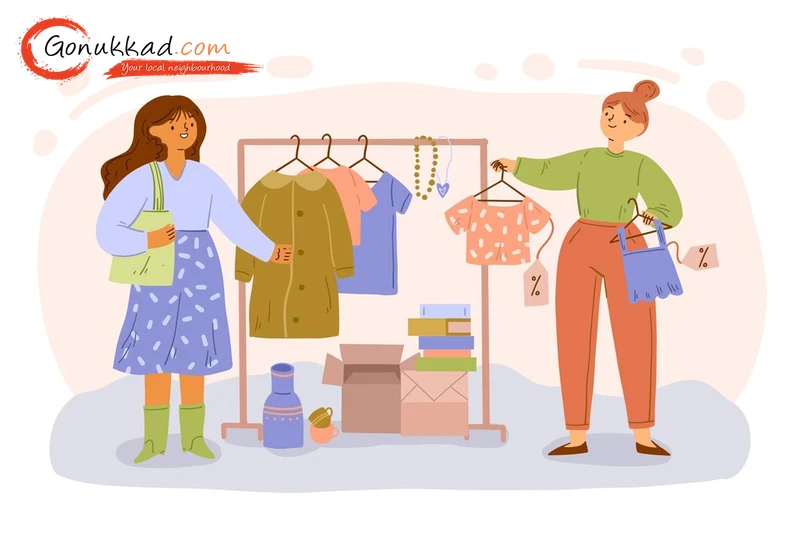
The clothing category is one of the most popular on Amazon, and for good reason. Millions of shoppers buy apparel online every month, and small independent sellers are making huge profits from it. If you want to sell clothes online on Amazon, you are looking at the best way to grow your business in 2026.
In this blog, we will take a look at how to use Amazon FBA for clothing, avoid costly customer returns, and run an online clothing business that Amazon buyers will love. If you find the setup process too confusing, experts like Gonukkad Amazon Seller Services can handle your full seller account setup, keyword listings, and daily ad campaigns for you.
Key Takeaways
- Clothing items make up almost 20% of all sales on Amazon, making it a very profitable space.
- Clear pictures and accurate size charts are the best ways to stop customers from returning items.
- Using Amazon FBA for clothing means Amazon packs and ships your orders while you focus on buying stock.
- Your fashion product listing on Amazon needs simple, popular search words so customers can find your items easily.
- If you are a small shop owner, then experts like Gonukkad can handle your seller account onboarding completely.
Choosing the Right Business Model to Sell Clothes Online on Amazon
Here are the 5 different business models to sell clothes on Amazon:
Private Label: You create your own unique clothing brand name, find a factory to make the items, and sell clothes online on Amazon with your own custom tags.
Wholesale: You buy authentic, branded clothes in bulk directly from the big brands at a low price and sell them as single pieces.
Online & Retail Arbitrage: You go to regular local retail stores, discount outlets, or sites like Myntra and Ajio, look for clearance clothing deals, and resell those items for a higher profit margin on Amazon.
Dropshipping: You list apparel items on your storefront without actually holding any inventory. When a customer buys from you, you purchase the item from a third-party supplier who ships it directly to the buyer.
Print on Demand: You design graphics for t-shirts, hoodies, or other items, and a printing partner creates and ships the item only after an order is placed. It is a low-risk way to learn how to start a clothing business on Amazon with zero storage issues.
How to Start a Clothing Business on Amazon: Step-by-Step Guide
Step 1: Set Up Your Amazon Seller Account
To start selling online, go to the Amazon Seller Central website and follow these basic steps to register your business:
- Open the Amazon Seller Central page and click on the "Sign Up" button.
- Type in your name, your active email address, and pick a strong password.
- Enter your current mobile number to receive a quick verification text code.
- Fill in your business details, including your store address and tax details.
- Add your active bank account details so Amazon can send your sales money.
- Upload a photo of your ID card, a recent bank statement, and business papers.
If the registration process feels too difficult, Gonukkad’s Amazon account management team can set up your seller account from scratch.
2. Understand Category Approval and Gating
Amazon locks certain clothing items to stop people from selling fake or low-quality goods. The clothing category needs extra care because some items are gated.
- Gated brands: Famous fashion brands require real bills from official suppliers before you are allowed to sell them.
- Certain subcategories: Clothes for small babies or safety gear must pass extra quality and safety checks.
- New seller accounts: Brand-new profiles are often restricted initially until they prove their operational metrics are reliable.
- Used clothing: Amazon does not allow the sale of used, second-hand, or vintage apparel to maintain hygiene standards.
3. Get UPC Codes or Apply for GTIN Exemption
Every single piece of clothing needs a special barcode number to look correct in the Amazon system. If you are making your own custom clothes, you need to set up these numbers correctly.
- Purchase UPCs from GS1: Buy your official barcodes directly from the GS1 website, so Amazon does not reject your items.
- Apply for a GTIN exemption: If your clothes do not have a brand name, you can ask Amazon for a free exemption to sell without barcodes.
4. Create Your Product Listings to Sell Apparel on Amazon
A good product page turns casual web browsers into happy paying customers. When you build a fashion product listing on Amazon, you must write clear descriptions so people can find your shop.
- Title Optimization: Keep it simple by including the brand name, fabric type, what the item is, and the color or size.
- Bullet Points: Share the best details first, like how the fabric feels, how to wash it, and how the sizing fits.
- Product Description and A+ Content: Use the brand registry tool to add infographics and clear text that shows off the lifestyle feel of your clothes.
5. Optimize Product Images
In the fashion world, people buy what looks good. Clean and bright photos are the best way to get people to click on your products.
- Your main photo must have a clean, completely white background with no extra items.
- The clothing piece must fill at least 85% of the total picture space.
- Use real people as models so buyers can see how the clothes fit on a human body.
- Take close-up photos of the fabric, the stitching, and the buttons so the quality is clear.
6. Set Up Size and Color Variations (Parent-Child Listings)
You should not make a brand new page for every single size and color. Instead, group them together on one page using a parent-child setup.
Step 1: Create a "Parent" item that serves as the main folder for your product.
Step 2: Choose your variation option, like size, color, or a mix of both size and color.
Step 3: Make "Child" items for every single choice, like Small-Blue or Large-Red.
Step 4: Add the exact price, specific SKU name, and stock count for every single variation.
Step 5: Save your work so customers can click different colors and sizes on one page.
7. Choose Between FBA and FBM
| Feature | Amazon FBA | Amazon FBM |
|---|---|---|
| Storage & Shipping | Amazon keeps your clothes in their warehouse and ships them. | You keep the clothes at your shop and ship them yourself. |
| Prime Badge | Your items get the Prime badge automatically. | It is very hard to get the Prime badge on your own. |
| Customer Service | Amazon talks to the customers and handles complaints. | You must reply to every customer message and fix problems. |
| Overall Fees | You pay Amazon extra money for storage and shipping work. | You pay lower fees to Amazon, but you pay for your own boxes and postage. |
8. Set Your Price
Picking the right price means making sure you earn money after paying for your costs.
- Calculate Margins: Ensure your retail price covers manufacturing, shipping, packaging, and marketing while leaving a 25-30% net profit.
- Factor in Fees: Always remember to subtract Amazon's selling fees and FBA storage fees from your final selling price so you do not lose money.
How to Reduce Clothing Returns on Amazon
Returns can be a big problem for clothing sellers, with return rates sometimes reaching 20-30%. Dealing with these returns can quickly take away your profits. Here are 7 simple ways to help reduce returns:
- Put a very clear size chart on your page with exact measurements in inches.
- Make sure to tell customers how the item fits. Use simple terms like "fits true to size," "runs small," or "has a loose, oversized fit."
- Upload a short video showing how the fabric stretches and moves on a real person.
- Check every piece of clothing for loose threads or holes before sending it out.
- Ask happy customers to leave reviews detailing how the item fits their body type.
- Make sure your photo colors match the real clothes perfectly under normal light.
- Pack your clothes in strong, clean plastic bags so they do not get wet or dirty during shipping.
Conclusion
To build a successful Amazon apparel marketplace business, you need to find quality items, create easy-to-understand listings with the right words, and ship orders quickly. Even though there are many sellers, the huge number of buyers on Amazon makes it an ideal place to grow your small business.
If you want to start without technical stress, Gonukkad is ready to help you. Their team can manage your entire store, including setting up your seller account, writing perfect product listings, and running profitable ad campaigns.
Related Post:
1. How To Sell Handmade Products Online on Amazon
2. How to Sell Electronic Items on Amazon: A Complete 2026 Guide
3. How to Sell a Refurbished Laptop Online on Amazon
4. Selling on Amazon Pet Products: Building a Loyal Niche Audience
5. Selling on Amazon Beauty & Personal Care Products: Niche Brand Building in 2026
6. Selling on Amazon Home & Kitchen Gadgets: Trend Forecasting for 2026
7. How to Get Approval to Sell Toys on Amazon: A Simple Guide
8. How To Sell Digital Products on Amazon in 2026
9. How to Sell Books on Amazon in 2026: Step-by-Step Guide
10. How to Sell Watches Online on Amazon in 2026
11. How to Sell Jewellery on Amazon in 2026 – A Complete Guide
Q. Is it profitable to sell apparel on Amazon in 2026?
A. Yes, selling clothes is very profitable if you pick a unique style and keep your customer returns low.
Q. Can I sell clothes on Amazon without a registered brand?
A. Yes, you can sell unbranded items easily by applying for a free GTIN exemption inside your account.
Q. What are the average referral fees for clothing items?
A. Amazon usually takes between 5% and 15% of the total sale price as a fee for clothing items.
Q. How does Amazon FBA handle apparel returns?
A. Amazon takes the returned item back to its warehouse, checks the quality, and puts it back on sale if it is perfect.
Q. Do small local shopkeepers need a GST number to sell on Amazon India?
A. Yes, every Indian shopkeeper must have a valid GST number to sell clothes to customers in different states.
Supercharge your Business:
Go from surviving to tdriving!
Amplify sales witd our expert account management. Unleash your true potential now!
Call Us