ChatGPT
 Perplexity
 Claude
 Google AI
 Grok
Grok
Summarize this article with an AI assistant.
Indian Marketplace Seller Fees Comparison 2026 ( Hidden Charges Breakdown)
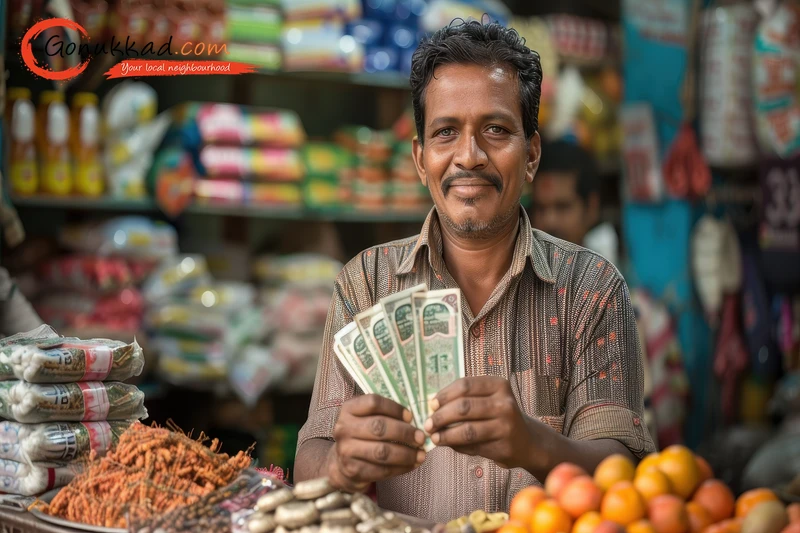
In 2026, the Indian e-commerce market is becoming more competitive with various commissions and hidden costs. For a small shopkeeper or a new seller, understanding the Indian Marketplaces Seller Fees Comparison is becoming a necessity to grow a business. With Amazon’s new budget-friendly slabs, Flipkart’s updated fee tiers, and Meesho removing seller penalties, the competition is at an all-time high.
In this blog, we'll go through the Marketplace Seller Fee Structure for 2026, including the hidden charges for sellers on Indian marketplaces that often eat up your profits.
Key Takeaways
- In 2026, most platforms offer 0% referral fees for products priced under ₹1,000 to help small sellers.
- Expect to pay between ₹30 and ₹90 per order just for delivery and handling.
- A customer return can cost you 2x more than a normal sale due to reverse shipping fees.
- To appear on the first page, you usually need to spend 10% to 12% of your sales value on internal platform ads.
- Using a service like Gonukkad helps optimize your ACOS so you don't overspend on marketing.
Start Selling Profitably on Indian Marketplaces
To make money online in 2026, you must know your in-hand amount. It is the money left after the online marketplace fees are deducted. Many sellers think that if they sell an item for ₹500, they get ₹500 back, but it's not actually true.
Between the hidden costs of the marketplace in India, such as packaging, weight disputes, and return processing, you might probably only receive ₹350. Therefore, knowing these fees beforehand helps you price your products correctly.
Types of Seller Fees Across Indian Marketplaces
1. Referral Fees (Commission Fees)
It is the percentage the website takes for finding you a customer, and you can think of it as a sales commission.
- Amazon: 0% for over 12.5 crore items under ₹1,000, and for items above ₹1,000, it ranges from 2% to 18%.
- Flipkart: 0% on many Shopsy listings and standard Flipkart listings charge 5% to 15%, depending on the category.
- Meesho: 0% commission across all categories, which is their biggest selling point for small manufacturers.
2. Closing Fees
It is a small, fixed charge for every single order you ship, regardless of the product's weight.
- Amazon: They have a slab system, where it is only ₹3 for items priced under ₹250.
- Flipkart: Charges based on your Seller Tier, such as Gold sellers pay less, but it usually averages ₹15 to ₹50 per item.
- Meesho: Currently charges ₹0 as a closing fee to keep the platform accessible for low-margin sellers.
3. Fulfillment & Shipping Fees
It covers the cost of the delivery boy, the fuel, and the courier service handling your parcel.
- Amazon: Local delivery for 500g starts at approximately ₹29, while national delivery can go up to ₹70.
- Flipkart: Fees depend on whether you use Flipkart Fulfilled (FBF), and prices start around ₹35 for local shipments.
- Meesho: Shipping is handled by third-party partners, and sellers usually see a deduction of ₹35 to ₹80 per order.
4. Payment Gateway & Transaction Fees
Every time a customer pays via UPI or Credit Card, or chooses Cash on Delivery (COD), there is a processing cost.
- Amazon: It is generally included in their main fee, as they don't charge a separate payment fee per transaction.
- Flipkart: Charges a Collection Fee, which is roughly 2% of the order value to cover payment processing.
- Meesho: Offers a 0% transaction fee, meaning you don't pay extra for UPI or COD orders.
5. Advertising & Promotional Fees
Since there are millions of sellers, you often have to pay for the platform to show your product at the top of the search.
- Amazon: It is highly competitive, and sellers often spend 10% of their revenue on sponsored products.
- Flipkart: Uses a Cost-per-click (CPC) model where you pay every time a customer clicks your ad.
- Meesho: Since commissions are 0%, Meesho earns mostly from ads, and sellers are encouraged to spend to get visibility.
6. Returns & Cancellation Charges
It is a hidden charge, whereas when a customer returns a product, you still have to pay for the shipping and handling.
- Amazon: You pay a Return Shipping Fee, which can be equal to or higher than the original shipping cost.
- Flipkart: Charges a Reverse Shipping Fee and sometimes a Restocking Fee for certain categories.
- Meesho: Sellers face no charges for Return to Origin when customers refuse a parcel, but they must pay shipping costs for customer-initiated returns.
Comparison of Seller Fees: Amazon vs. Meesho vs. Flipkart (2026 Updates)
| Fee Component | Amazon India | Flipkart | Meesho |
|---|---|---|---|
| Referral Fee | 0% (Below ₹1000) | 0% - 15% | 0% |
| Fixed Closing Fee | ₹3 - ₹60 | ₹12 - ₹55 | ₹0 |
| Shipping (500g) | Starts at ₹29 | Starts at ₹35 | Starts at ₹35 |
| Payment Fee | Included | ~2% | 0% |
| Return Charges | Shipping + Handling | Shipping + Penalty | Shipping Only |
| Ads Importance | Very High | High | Very High |
Conclusion
Selling online in 2026 is a great opportunity, but only if you understand the Marketplace Seller Fee Structure. While Zero Commission sounds great, you must account for shipping, ads, and returns. By comparing the Indian marketplaces' seller fees, you can choose the platform that fits your budget.
If you want to expand your existing online business or are planning to start fresh, Gonukkad can be your partner. They provide expert ecommerce account management services for major marketplaces like Myntra and Amazon, ensuring your business stays profitable and grows fast.
Helpful Post:
1. Indian Ecommerce Marketplaces Seller Fees Comparison 2026
2. Amazon Commission Rate For Sellers: A Complete Guide In 2026
3. A Detailed Guide to Flipkart Seller Commission Charges
4. Amazon Seller Commission Charges & Fees
5. The Complete Guide to Amazon Commission Calculator in 2026
6. Flipkart Commission Calculator Guide: How To Maximize Your Profits in 2026
7. Grocery Marketplace Commission Structure in India: What Sellers Must Know
8. Multi-Vendor Marketplaces in India B2C: Complete Business Model Explained
Q. Which marketplace is the cheapest for sellers in 2026?
A. Meesho remains the cheapest because it has 0% commission and 0% closing fees.
Q. What are the hidden charges for sellers on Indian marketplaces?
A. The biggest hidden charges are Weight Discrepancy fees, where the courier claims your box is heavier than you said, and Return Shipping fees for damaged goods.
Q. Does Gonukkad help with all these platforms?
A. Yes, Gonukkad offers a complete ecommerce account management service on major marketplaces like Meesho, Amazon, Flipkart, etc.
Q. How much profit margin should I keep?
A. In 2026, you should aim for at least a 30% to 40% gross margin. After all fees and ads are deducted, you will likely be left with a 10% to 15% net profit.
Q. Are grocery platforms like Blinkit different?
A. Yes, grocery and Quick-Commerce platforms like Blinkit or Zepto charge much higher commissions, often 20%+, because they provide ultra-fast 10-minute delivery.
Supercharge your Business:
Go from surviving to tdriving!
Amplify sales witd our expert account management. Unleash your true potential now!
Call Us