ChatGPT
 Perplexity
 Claude
 Google AI
 Grok
Grok
Summarize this article with an AI assistant.
Multi-Vendor Marketplaces in India B2C: Complete Business Model Explained
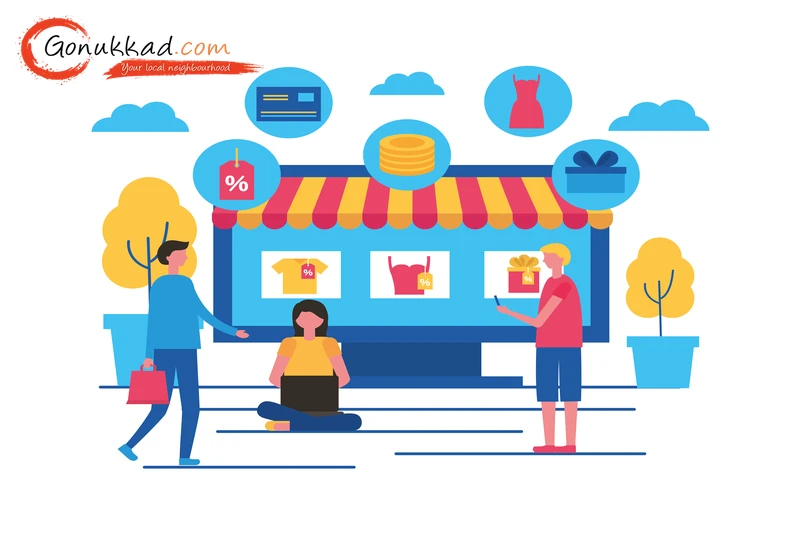
If you walk through any local market in India, from Sarojini Nagar in Delhi to Commercial Street in Bangalore, you see one big area with hundreds of different shops. A multi-vendor B2C marketplace in India is exactly that, but on your smartphone screen. Instead of physical shutters, there are digital storefronts.
- What Is A Multi-Vendor Marketplace?
- How Does A Multi-Vendor eCommerce Platform Work?
- What Are The Benefits Of A Multi-Vendor Marketplace Platform
- Types of Multi-Vendor Marketplaces
- Multi-Vendor eCommerce Website Development: Step-by-Step Process
- Features of Multi Vendor Marketplace eCommerce Platform
- How Much Does It Cost To Build a Multi-Vendor Marketplace
- Conclusion
- FAQs
In this blog, we'll go through how a B2C Multi-Vendor Marketplace in India works, the best B2C multi-vendor marketplace in India strategy for 2026, the costs involved, and how you can make money from it.
Key Takeaways
- You don't need to own any stock or a godown, as you provide a digital marketplace for sellers to sell.
- You can start with 10 sellers today and grow to 10,000 sellers by next year without changing your office.
- In India, features like Cash on Delivery (CoD) and easy returns are the secrets to success.
- In multi-vendor B2 marketplaces, you earn from sales, ads, shipping, and monthly seller fees.
- With 5G and cheap data, even villagers in India are now comfortable buying from B2C marketplaces.
What Is A Multi-Vendor Marketplace?
To put it simply, it is a website where many different people sell their goods to many different customers. As the owner of the B2C multi-vendor marketplace in India, you are like the organizer. You provide the space, the security, and the vendors sell their goods.
By 2026, the Indian e-commerce market is expected to cross $160 billion. When you run a multi-vendor marketplace business model in India, you give customers that variety. They can buy a phone from Seller A and a t-shirt from Seller B in a single checkout.
How Does A Multi-Vendor eCommerce Platform Work?
Think of it as a three-way partnership: The Owner, The Vendor, and The Customer.
- The Setup: The owner builds the website and integrates a payment system, such as UPI or Credit Cards.
- Onboarding: Sellers register by uploading their GST and PAN card details. It makes the multi-vendor marketplace in India B2C safe for everyone.
- The Listing: Sellers use their own Vendor Dashboard to upload product photos.
- The Sale: A customer buys an item, and the money goes to the Marketplace Owner first.
- The Split: The Owner deducts a small fee (commission) and sends the rest of the money to the Seller’s bank account.
What Are The Benefits Of A Multi-Vendor Marketplace Platform
A. Benefits For Vendors
Zero Technical Hurdles: A small shopkeeper doesn't need to know how to code. With a B2C marketplace, they can just upload a photo and start selling.
Huge Reach: A saree seller in Surat can sell to a buyer in Nagaland through a B2C marketplace in India.
Marketing Done For You: The marketplace spends money on Google and Facebook ads, so the vendor doesn't have to.
B. Benefits For Buyers
Price Wars: Many sellers sell the same item, so they keep prices low to attract buyers.
Trust: If a product is bad, the buyer knows the marketplace will help them get a refund.
Variety: Millions of products are available in one single app.
C. Benefits For Marketplace Startups
No Inventory Risk: If a product doesn't sell, it’s the vendor's problem, not yours.
Data is Gold: You get to see what people are searching for, which helps you grow.
Network Effect: The more sellers you have, the more buyers come.
Types of Multi-Vendor Marketplaces
1. Based on What is Sold
- Product-Centric: Selling physical products like shoes or electronics, for instance, Amazon.
- Service-Driven: Booking a plumber or a beautician, for instance, Urban Company.
- Rental-Oriented: Renting a car or a room, for instance, on Airbnb.
- Digital Products: Selling e-books, software, or music, for instance, on Etsy.
2. Based on Who is Buying
- B2C (Business-to-Consumer): The most common model in which shops sell to regular people.
- B2B (Business-to-Business): Wholesale selling connects sellers directly with wholesalers.
- P2P (Peer to Peer): Normal people selling used items to other people, for instance, on OLX.
Multi-Vendor eCommerce Website Development: Step-by-Step Process
- Market Research: Instead of offering a wide range of products right away, focus on a specific niche, such as "Ayurvedic Products" or "Music Gear."
- Legal Work: Register your company and obtain your GST registration, as compliance is key for a multi-vendor marketplace business model in India.
- Choose a Platform: Use ready-made tools like WooCommerce (good for a budget) or Magento (good for large-scale).
- UX/UI Design: Make the app or website easy to use because if a user can't find the Buy Now button, you'll lose money.
- Feature Integration: Add a Search bar, a Wishlist, and a Reviews section to your marketplace.
- Payment Gateway: In India, you MUST have UPI (PhonePe, GPay), Credit or Debit card, and Cash on Delivery options.
- Shipping Setup: Partner with companies like Delhivery or BlueDart to have them pick up items from your sellers.
- The MVP Launch: Launch a Minimum Viable Product, a basic version to see if people like your idea.
- Marketing: Use WhatsApp marketing and Instagram Reels to show off your products.
- Feedback Loop: Talk to your first 100 customers, ask them what they hated, and fix it immediately.
Features of Multi Vendor Marketplace eCommerce Platform
1. Admin Features (Your Dashboard)
Seller Management: You can approve or ban sellers.
Commission Setting: You can set different fees for different categories, for instance, 5% on sugar, 15% on clothes.
Report Generation: See your daily profit and top-selling items.
2. Vendor Features (The Shopkeeper's Dashboard)
Inventory Management: The seller can see how many items are left in their stock.
Order Alerts: They get a notification as soon as someone buys their product.
Shipping Status: They can print labels and track the delivery.
3. User Features (The Buyer's App)
Easy Login: OTP-based login via mobile number is the best for Indian users.
Order Tracking: A map showing the location of their package.
Secure Payment: Multiple ways to pay safely.
How Much Does It Cost To Build a Multi-Vendor Marketplace
| Category | Specific Item | Estimated Cost (INR) |
|---|---|---|
| Design | UI/UX & Prototypes | ₹60,000 - ₹1,20,000 |
| Website Development | Coding & Backend | ₹2,50,000 - ₹5,00,000 |
| Mobile App | Android + iOS | ₹3,00,000 - ₹6,00,000 |
| Hosting & Servers | AWS or Google Cloud | ₹5,000 - ₹15,000 (Monthly) |
| Marketing Setup | SEO & Social Media Initials | ₹50,000 - ₹1,00,000 |
| Total Startup Cost | Estimated Initial Budget | ₹7 Lakhs - ₹14 Lakhs |
Conclusion
To sum it up, a multi-vendor marketplace in India B2C is the smartest way to enter e-commerce in 2026. You act as the bridge between sellers and buyers. By focusing on a specific niche, keeping your costs low with an MVP, and using reliable payment methods, you can build a massive business.
Related Post:
1. Top 10 B2C Multi-Vendor Marketplaces In India 2026
2. Top 10 Online Marketplaces in Various Regions: A Complete Global Guide In 2026
3. Top 10 Best Ecommerce Online Marketplace Platforms To Sell Products
4. Indian Ecommerce Marketplaces Seller Fees Comparison 2026
5. Ecommerce Profit Margin India: Seller Fee Impact Guide In 2026
Q. How do I attract sellers to my new marketplace?
A. To attract sellers to your new marketplace, offer them a "Zero Commission" period for the first 3 months. In India, sellers love saving money, which will motivate them to try your platform.
Q. Is it legal to take a commission from every sale?
A. Yes, it is your service fee for providing the platform and marketing. But just make sure your Terms and Conditions are clear.
Q. Who handles the returns in a multi-vendor model?
A. Usually, the marketplace handles the return logistics, but the cost is often deducted from the seller's account if the product is faulty.
Q. Can I run a marketplace without an app?
A. You can, but in India, 80% of shopping happens on mobile, so having an app is highly recommended to keep customers coming back.
Q. How long does it take to build a marketplace?
A. A basic version (MVP) can be ready in 2 to 3 months. But a fully custom, high-end site might take 6 months or more.
Supercharge your Business:
Go from surviving to tdriving!
Amplify sales witd our expert account management. Unleash your true potential now!
Call Us